
"major producing country"
5000 article(s) found

A brief introduction to the history and culture of the origin and development of Sidamo Shakiso boutique coffee beans
The highlands of western Ethiopia have given birth to new varieties of coffee that are resistant to fruit disease or leaf rust. Ethiopia has many world-famous types of coffee. Some of the main types of coffee are famous for their unique aroma and flavor, including the following: Limu coffee, which grows between 1400 and 2000 meters above sea level.

A brief introduction to the treatment method of grinding degree and baking degree of Sidamo Shakisol coffee beans with citrus aroma
Production area: Sidamo variety: Native Arabica treatment: washing baking degree: medium roasting area: Sidamo variety: Native Arabica treatment: washed Ethiopian coffee beans grow in close to the natural environment, after years of planting under the same growth conditions, Ethiopian coffee beans have gradually adapted to the environment here. More than 60% coffee

Eight major coffee producing areas in Costa Rica | what is the difference between sun exposure, water washing and honey treatment? What is SHB?
Professional coffee knowledge exchange more coffee bean information Please pay attention to Coffee Workshop (Wechat official account cafe_style) Costa Rica, located in the isthmus of Central America, the coffee beans produced at high latitudes are famous in the world, full-bodied, mild in taste, but extremely sour, the coffee beans here are carefully processed, which is why there is high quality coffee. Costa Rica is located in

Top 10 boutique coffee ranking coffee bean price list Qianjie coffee freshly roasted 95 packets of mail clothes soapy
2012 Top Ten Fine Coffee American (SCAA) Baker Association 2012 raw bean contest (COTY-Coffees of the Year) ended a few days ago. 250 kinds of raw coffee beans from 26 countries in the world's major coffee producing regions took part in the competition for the 2011 / 12 Global Best Fine Coffee Award. After the professional judges' evaluation of the dry, wet and taste of the participating coffee
Tarasu coffee beans from Central America and Costa Rica, one of the major coffee producers in the world.
Costa Rican Coffee (Costarica Coffee): Costa Rican coffee is produced in the Republic of Costa Rica (The Republic of Coffee) in southern Central America. Its coffee quality is similar to Colombian coffee and is suitable for blending mixed coffee. The coffee beans produced in the high latitudes of Costa Rica are famous, rich and flavored in the world.

A brief introduction to the flavor, taste and aroma characteristics of Sidamo Shakiso coffee beans with blueberry camellia fragrance.
In February 1977, Lieutenant Colonel Mengistu Haier Maryam (MENGISTU HAILE MARIAM) launched a military coup and served as Chairman of the interim military Administrative Council and head of State. In 1979, the Ethiopian Labor people's Party Organization Committee, dominated by soldiers, was established to implement an one-party system. In 1984, the Ethiopian Workers' Party was formed according to the Soviet Communist Party model. Mengistu, September 1987
Coffee Flavor Analysis of Coffee Flavor from different Coffee producing areas in the World
Coffee flavor from different coffee producing areas around the world: Tarrazu in Costa Rica is one of the major coffee producing areas in the world, with a light and pure flavor and pleasant aroma. Costa Rican coffee has full grains, ideal acidity and unique strong flavor. Tarrazu of Costa Rica is one of the major coffee producing areas in the world, with a light and pure flavor.
Coffee flavors from different coffee producing areas around the world Tarasu of Costa Rica
Coffee flavor from different coffee producing areas around the world: Tarrazu in Costa Rica is one of the major coffee producing areas in the world, with a light and pure flavor and pleasant aroma. Costa Rican coffee has full grains, ideal acidity and unique strong flavor. Tarrazu of Costa Rica is one of the major coffee producing areas in the world, with a light and pure flavor.

The Ugandan coffee-producing countries of Elgon, the birthplace of Robusta in Africa, and Bujisu (
The coffee growing industry in Uganda is one of the pillar industries of its exports. Uganda is the birthplace of Robsta in Africa, just as Ethiopia is the origin of Arabica coffee, while Robster coffee was first discovered in Uganda. So far, Uganda has a history of growing coffee for more than 100 years. At the same time, Uganda is one of the few major countries in Africa dedicated to the production of organic coffee. In Wu
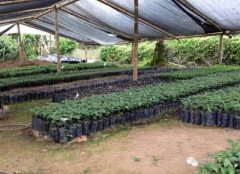
A brief introduction to the cultivation of high-quality Angolan boutique coffee beans, geographical location, climate and altitude
The Secretary-General of the African Coffee Organization (Coffee Organization), Joseph Farrayasarko, said on the 10th that Angola is expected to regain its status as a major coffee producer in the world due to the launch of a nationwide coffee planting campaign. In analyzing the global financial crisis and the situation of the international coffee market, Sako said that there are still gaps in the international coffee market. Angolan coffee should not only improve its output, but also its quality.

Chongqing may become the largest coffee entrepot trade base in China.
According to Peng de, Chongqing Coffee Trading Center will build coffee electronic trading platform, coffee cross-border e-commerce platform, coffee industry chain financing credit platform, as well as coffee transaction settlement center and coffee big data center. The coffee trading center will achieve five major functions, the most important of which is the price discovery function. On this open and transparent platform, Chinese and Southeast Asian farmers and supply chain enterprises

World Coffee Map | introduction to the characteristics of major coffee producing areas in the world
For the exchange of professional baristas, please pay attention to the coffee workshop (Wechat official account cafe_style) Asia Indonesia (Indonesia): Java (Java) Sumatra Manning (Indonesia) Indonesian coffee beans mainly in Java, Sumatra, Sulawesi and other three islands, all of which belong to volcanic topography. Indonesian coffee beans are rich in flavor and low in acidity.
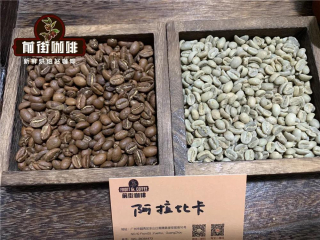
What kinds of coffee beans do you have? Know the coffee varieties and 6 major coffee producing areas
Coffee knowledge is a very deep knowledge. There are many technical ingredients from coffee variety, treatment, roasting degree to brewing method. Each step will affect the flavor of coffee. For people who are beginners of coffee, where should they start to learn about coffee? This article organizes the introduction to coffee for you to help you find the right place.
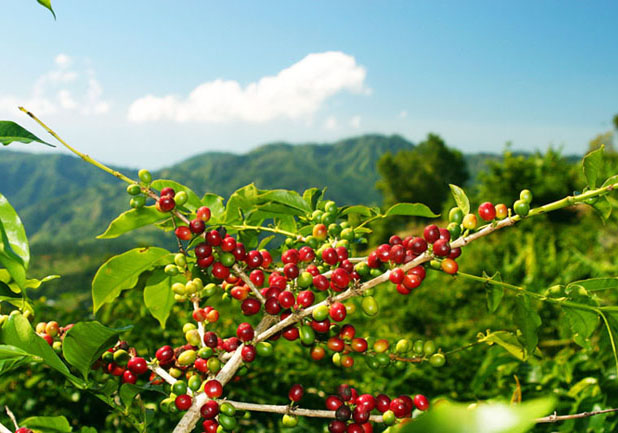
Indonesia, a major coffee producing region in the world, is well-known and representative of Java Java coffee.
Indonesia (Indonesia) well-known representative coffee: Java (SumatraMandheling), Indonesia produces coffee beans in three regions: Java, Munda and Laweisi, all of which are covered by volcanic topography. It is generally believed that Indonesian coffee beans have a thick aroma and low acidity, slightly like the taste of medium and earthy. Sumatra out of the mountain area

A brief introduction to the treatment method of grinding degree and baking degree of fine coffee beans in Angola, once a big coffee country.
According to officials, Angola's coffee production is expected to reach 4000 tons in 2006, an increase of 34 percent over 2005. Coffee production increased by 1000 tons between 2005 and 2006. The major coffee producing provinces are Kwanza Sul, Bengo, Kwanza North and Uige.

There are several major coffee producing areas in the world A brief introduction to the taste characteristics of the main coffee producing areas in South America
Professional coffee knowledge exchange more coffee bean information please follow the coffee workshop (Wechat official account cafe_style) front street-the world's three major coffee producing areas of South America coffee flavor introduction coffee is currently the most complex aroma of food, scientists have found that coffee bean aroma has more than 1200 kinds, excluding roasted undercooked or overbaked, caused by sharp sour, bitter, bitter, chemical smell and other flavors

A brief introduction to the Origin, Development, History and Culture of Sidamo Shakiso Fine Coffee beans
Ethiopian coffee beans grow in close to the natural environment, after years of planting under the same growth conditions, Ethiopian coffee beans have gradually adapted to the environment here. More than 60% of coffee beans are grown in forests or semi-forests. Large-scale coffee-growing villages account for about 35% of the country's total coffee production. Many of these are used.

How is the coffee flavor of Alcatraz Ecuador? introduction to the loja producing area of Loha, Ecuador
Professional coffee knowledge exchange more coffee bean information please follow the coffee workshop (Wechat official account cafe_style) Ecuador Ecuadorian coffee compared to bananas, oil, shrimp and other has never been listed as a major source of income, Ecuador's most famous Galapagos Islands Galapagos island, inhabited by Darwin's giant turtle native species, the United Nations Educational, Scientific and Cultural Organization

Characteristics of three major coffee varieties Arabica, Robusta and Liberka Arabica coffee beans
Professional coffee knowledge exchange more coffee bean information please follow the coffee workshop (Wechat official account cafe_style) Arabica world three big coffee products compared to a brief table: one. Types of coffee: coffee beans can be roughly divided into three categories: (1) Arabica coffee tree, (2) Robusta coffee tree and (3).

Differences in taste and flavor characteristics of coffee bean varieties in three major coffee bean producing areas
Characteristic flavor of coffee beans from three regions-● Santos NO2, Brazil, (Brazilian Santos NO2) soft, gentle and unique, smooth taste, derived from one of the largest coffee producing areas in the world. Moderate acidity, rich and body, mild, unique and smooth flavor. If it is the size of adzuki beans (17-18 / 64 inches)